
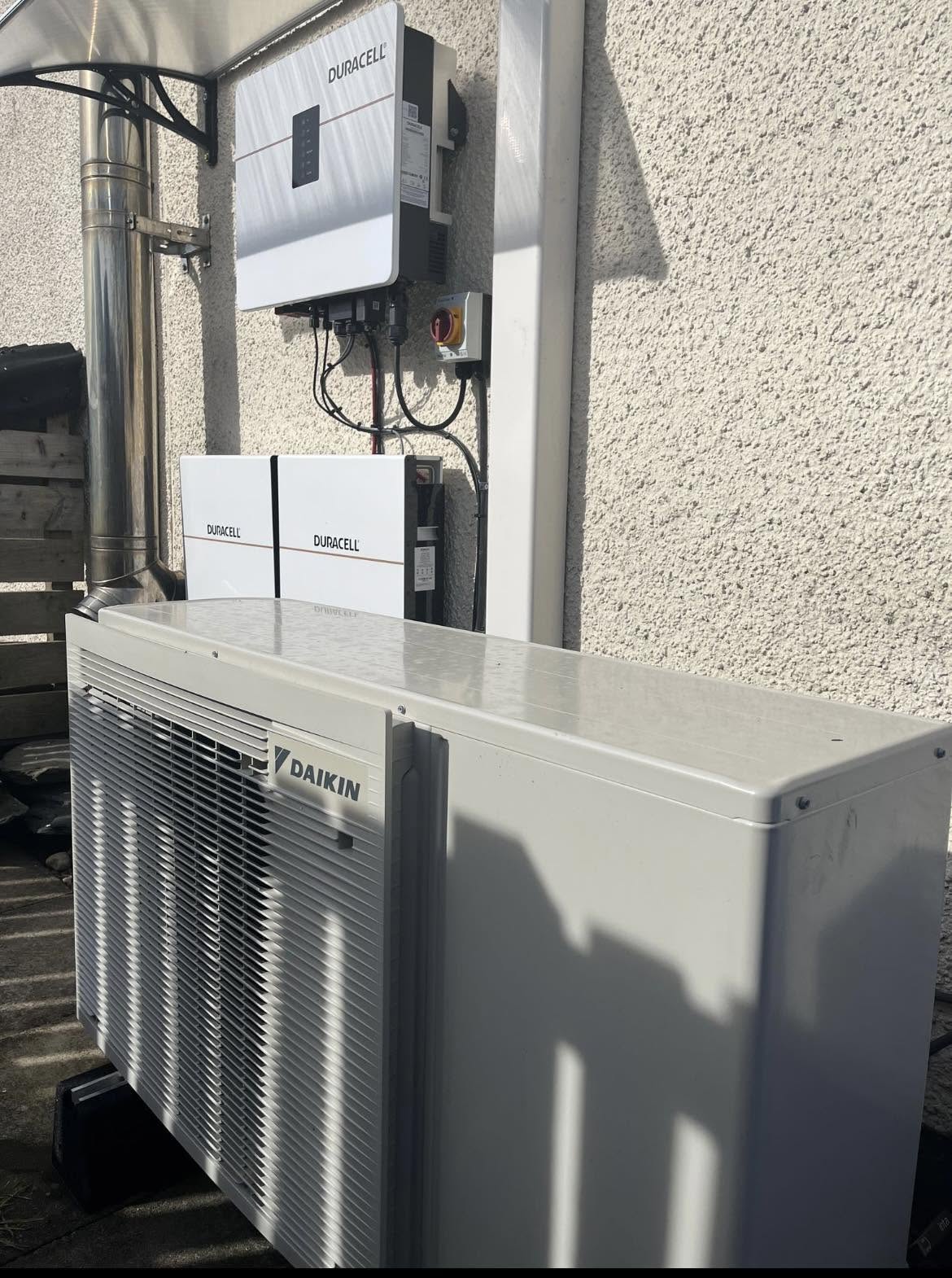
Request a commercial heat-pump project review
Share the demand, existing plant, operating hours, project stage and constraints so FLO can understand the project and advise what happens next.
Included in the service
What FLO will check and provide
- Site and demand assessment
- Existing plant and distribution review
- Operating-temperature strategy
- Electrical and space planning
- Phased upgrade and disruption planning
- Installation, commissioning and support
What happens from enquiry to completion
- 01
Technical discovery
Establish building use, demand, existing plant, constraints, objectives and decision timescale.
- 02
Site assessment
Inspect the distribution system, plant space, electrical capacity, access and potential equipment locations.
- 03
Options and phasing
Compare practical system routes, dependencies and any staged delivery required.
- 04
Delivery and support
Plan installation, commissioning, controls, handover and ongoing maintenance around the operation.
This service may be right for you if…
Offices and commercial premises
Community and mixed-use buildings
Larger residential or hospitality properties
Sites planning phased decarbonisation
Areas we serve
Commercial heat pump specialists by location
Choose your area for local property, planning and installation guidance.
Answers that may help you decide
Questions people ask
Can a heat pump replace existing commercial boilers?+
Sometimes, but the existing temperatures, peak demand, emitters, controls and resilience requirements must be assessed before choosing a replacement strategy.
Can a project be phased?+
Yes. Phasing may be appropriate where fabric, emitters, electrical work or operational constraints prevent a single-stage change.
What information helps at the first meeting?+
Energy use, operating hours, building plans, existing plant details, temperatures, occupancy and any planned refurbishment all make the first discussion more useful.