
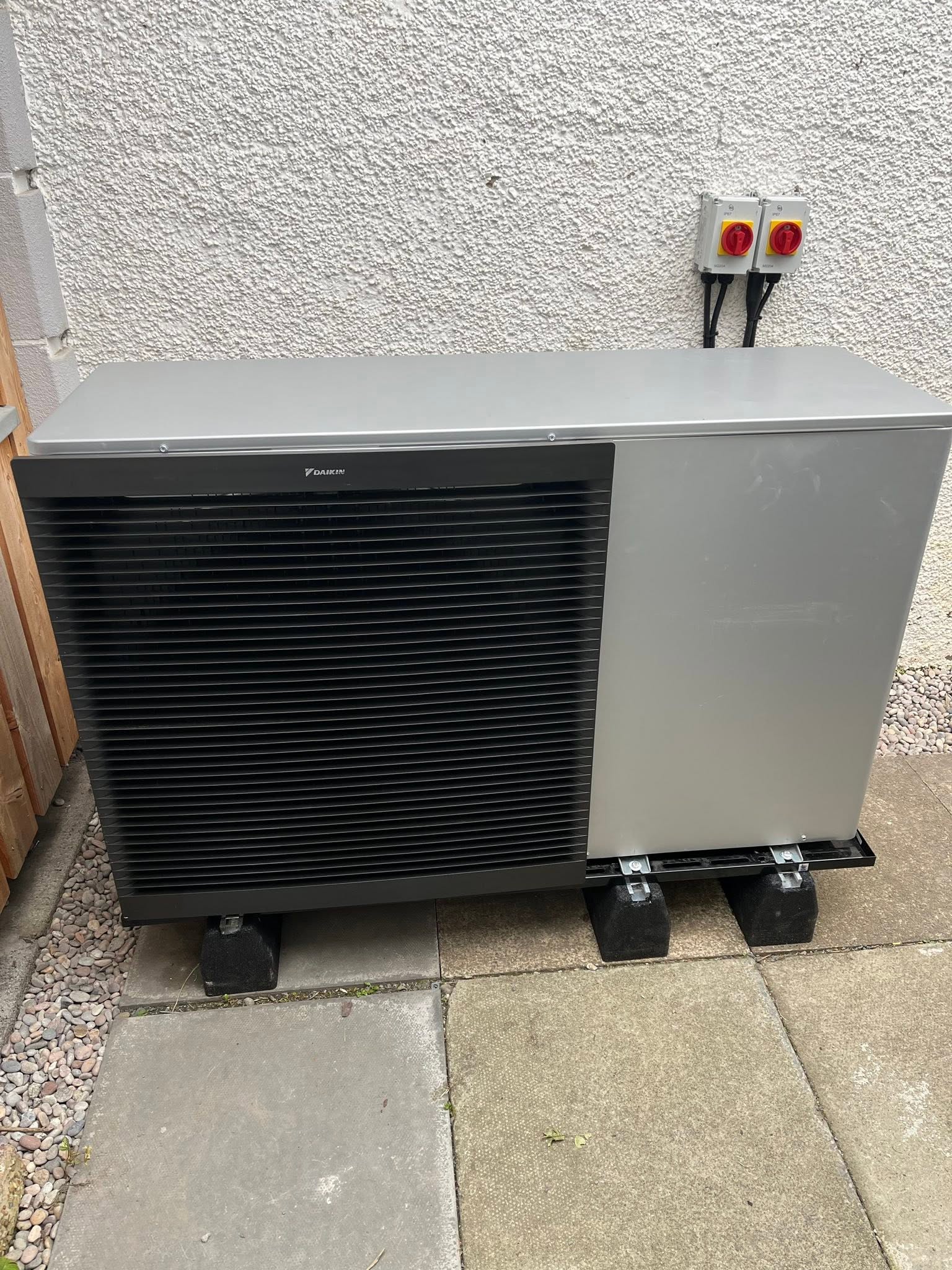
Request help with a heat-pump fault
Share the exact code or symptom, what still works and when the problem began. FLO will recommend the safest and most useful next step.
Help FLO prepare
What to send with a heat-pump fault enquiry
A fault code is a starting point, not always a diagnosis. Clear system and symptom details help FLO decide the safest next step and whether a manufacturer route or site visit is appropriate.
Identify the equipment
Photograph the outdoor and indoor data plates plus the controller. Include the make, model, age and original installer if known.
Send My Fault DetailsDescribe what was lost
State whether heating, hot water or both stopped, when it happened, the exact code and any noise, ice, leak or pressure change.
See Safe ChecksFlag genuine safety concerns
For smoke, burning, exposed wiring or major leakage, keep clear and contact the appropriate emergency or qualified service. Do not repeatedly reset the system.
Understand Repair ScopeIncluded in the service
What FLO will check and provide
- System and fault-code review
- Heating and hot-water symptom capture
- Controls and operating-history questions
- On-site diagnosis where appropriate
- Clear repair or next-step recommendation
- Advice on safe interim actions
What happens from enquiry to completion
- 01
Capture the symptoms
Share the make, model, error code, photos if available and whether heating or hot water has been lost.
- 02
Review the fault details
FLO reviews the information and confirms the safest, most useful next step.
- 03
Diagnose the fault
The engineer checks the relevant equipment and wider system rather than relying on the error code alone.
- 04
Agree the action
The findings, repair options and any follow-on work are explained before proceeding.
This service may be right for you if…
No heating or hot water
Recurring fault codes
Unexpected noise or poor performance
Control or temperature problems
Areas we serve
Heat pump repair and fault diagnosis by location
Choose your area for local property, planning and installation guidance.
Answers that may help you decide
Questions people ask
What information should I send?+
Include the system make and model, fault code, symptoms, when it started, and any recent changes. Photographs of the controls and equipment can also help.
Should I reset the heat pump repeatedly?+
Avoid repeated resets or opening equipment. Follow the manufacturer’s user instructions and contact the installer or a qualified engineer if the fault returns.
Can every system be repaired on the first visit?+
Not always. Some faults require parts, manufacturer information or further system work. Clear details help FLO prepare for an efficient visit.