
Service area
Glasgow
Greater Glasgow and Clyde · enter your postcode and we’ll confirm availability
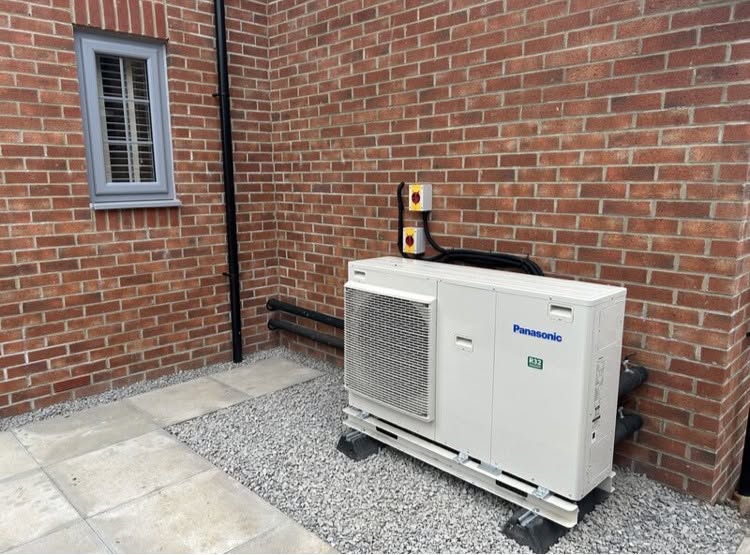
Designed for your property
What we’ll consider for your Glasgow property
A Glasgow enquiry may concern a top-floor tenement, a sandstone terrace, a 1930s semi, a post-war house or a heavily extended modern home. Those buildings lose heat in different ways and offer very different routes for a cylinder, upgraded emitters and an outdoor unit. A postcode and bedroom count are useful starting points, but they cannot replace a room-by-room assessment.
For heat pump controls and aftercare, FLO relates the customer's temperatures, schedules and comfort issue to the installed system and the type of building. That helps separate a settings question from a hydraulic, emitter or wider performance problem.
Glasgow controls support for flats, stone homes and altered systems
Make a Glasgow heat pump understandable in the building it actually serves
Controls aftercare in Glasgow can involve a top-floor tenement with slow-moving masonry, a 1930s semi with several radiator generations or an extended family house whose new zone behaves differently from the original rooms. The useful starting point is not a universal thermostat setting. FLO records the controller, schedules, weather-compensation arrangement, room sensors, hot-water timing and the comfort pattern the household is experiencing. That operating evidence helps separate a setting question from an emitter, hydraulic, maintenance or fault concern. For flats, it also keeps privately controlled heating issues distinct from access or common-building matters that a controller cannot resolve.
Read tenement comfort over time rather than chasing the display
A traditional Glasgow flat can warm and cool slowly because of its masonry, position in the building and exposure. Raising a room target sharply may not produce boiler-like instant heat, while a large overnight reduction can create a long recovery that feels like poor performance. FLO can review the commissioned schedule, outdoor conditions, requested temperatures and what the rooms achieved over several representative periods. Top-floor, gable-end and internal rooms should be described separately instead of being reduced to one hallway reading. The aim is to understand whether the weather curve, setback or room influence needs careful user-level refinement, or whether one space points to a radiator or fabric limitation. Changes can then be made deliberately and recorded. Installer menus are not treated as a trial-and-error shortcut, and aftercare does not claim that controls alone can overcome insufficient output.
Untangle later extensions and third-party controls
Many Glasgow houses have gained a rear kitchen, loft room or converted garage after the original heating circuit was installed. The altered area may use underfloor heating, a separate thermostat or smart controls while older rooms retain radiator valves and another programmer. FLO can map which device calls for heat, which only limits a room and which settings belong to the heat pump itself. You can provide photographs of each control, zone names and a simple account of when different areas feel too warm or too cool. That avoids contradictory schedules or frequent zone closures being mistaken for an outdoor-unit problem. If the controls depend on hydraulic components, wiring or design choices that cannot be confirmed remotely, FLO will recommend the appropriate technical review rather than promise a settings-only fix.
Keep hot water, noise and shared access as separate questions
A Glasgow homeowner may report cold rooms, unexpected outdoor sound and insufficient hot water in one message, although those symptoms can arise under different operating modes. FLO asks when each event occurs: space heating, cylinder reheating, start-up or defrost; which controller screen is visible; and whether heating and hot water remain available. Hot-water targets, boost functions and hygiene cycles are reviewed independently from the space-heating curve. A wide photograph can show the outdoor setting, but residents should not enter restricted communal areas, remove panels or alter equipment to gather evidence. In a flat or converted building, factor or co-owner access may affect an eventual visit without explaining the control behaviour. Separating the issues produces a clearer next step: user guidance where appropriate, planned service for accessible condition checks, or fault diagnosis when symptoms indicate more than an operating preference.
Local planning information
Flats and shared responsibility are central to Glasgow planning
For controls and aftercare, the evidence helps distinguish building response, access and local installation constraints from controller settings or a technical fault in the system itself.
Request a controls and comfort review in Glasgow
Describe the controls, temperatures, schedules and comfort issue so FLO can distinguish settings support from a wider system diagnosis. FLO will confirm service availability for the Glasgow postcode.
What this Glasgow service includes
- Controls and schedule walkthrough
- Weather-compensation explanation
- Comfort and temperature review
- Operating-pattern discussion
- Handover and documentation support
- Servicing or fault diagnosis when needed
What the survey will check locally
For traditional masonry, the design needs realistic wall, window and ventilation assumptions rather than treating every older building as identical. For extended homes, FLO separates the original structure from later additions so one warm open-plan room does not hide colder bedrooms or undersized pipework elsewhere.
Dense streets and small rear gardens put extra weight on airflow, sound, boundary position and a maintainable route back to the indoor equipment. Flats can add title, communal-access and planning questions. These issues are checked before a final unit or installation route is promised.
What happens next
- 01
Describe the concern
Explain what feels wrong: comfort, schedules, hot water, noise, bills or an unfamiliar control message.
- 02
Review the operation
The team considers the system type, settings and behaviour alongside the household’s expectations.
- 03
Make deliberate changes
Any adjustment should have a clear purpose and enough time to assess its effect.
- 04
Escalate when required
Physical faults or performance concerns can move into servicing or technical diagnosis.
Related local services
Other heat pump help in Glasgow
Nearby areas
FLO welcomes enquiries from Bearsden, Bishopbriggs, Clydebank, Newton Mearns, Rutherglen, East Renfrewshire and surrounding communities. The property postcode is used to confirm availability.
Answers that may help you decide
Questions people ask
Does FLO provide heat pump controls and aftercare in Glasgow?+
FLO accepts enquiries for heat pump controls and aftercare in Glasgow. Availability is confirmed using the postcode, system details and project scope.
What should I include in a Glasgow enquiry?+
Provide the property type, current heating, postcode and contact details. Existing system owners should also include the make, model, age and any symptoms or fault codes.
Can a heat pump work in a Glasgow tenement?+
It can be possible, but ownership, shared fabric, outdoor-unit position, sound, access and hot-water space need specific checks. A tenement should not be treated like a detached house.
Are sandstone homes automatically unsuitable?+
No. Construction, exposure, air leakage, emitters and the upgrades already made all matter. A measured design is more useful than a rule based only on wall material.
Should I switch my heat pump off overnight?+
Many systems are designed to maintain comfort steadily rather than recover from large temperature drops. The right schedule depends on the property and system design.
What is weather compensation?+
It adjusts heating-water temperature in response to outdoor conditions so the system can provide enough heat without running hotter than necessary.