
Service area
Glasgow
Greater Glasgow and Clyde · enter your postcode and we’ll confirm availability
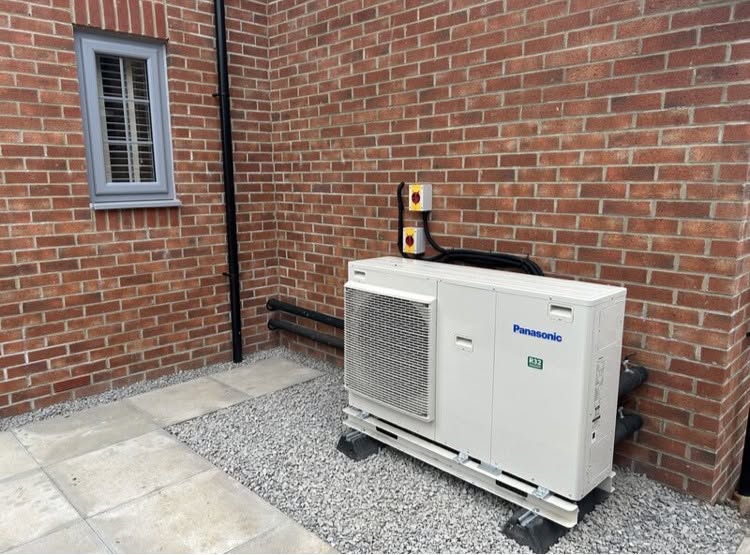
Designed for your property
What we’ll consider for your Glasgow property
A Glasgow enquiry may concern a top-floor tenement, a sandstone terrace, a 1930s semi, a post-war house or a heavily extended modern home. Those buildings lose heat in different ways and offer very different routes for a cylinder, upgraded emitters and an outdoor unit. A postcode and bedroom count are useful starting points, but they cannot replace a room-by-room assessment.
For air source heat pump servicing, FLO considers the building, access and weather exposure in Glasgow, together with the installed make, model, age, service history and present behaviour. That lets the team prepare a system-specific visit instead of treating maintenance as a generic checklist.
Glasgow service planning
A service visit shaped around the system and the building
A heat pump in a Glasgow tenement conversion faces a different service context from one beside a 1930s semi or an extended suburban home. The first useful step is therefore to identify the unit, the controls, the original installer’s documents and anything that has changed in the heating circuit. FLO’s enquiry separates routine maintenance from comfort or performance concerns before a visit is arranged. In denser streets, access through shared closes, rear courts or narrow side passages also matters. Providing photographs and a clear description helps establish whether the request is a scheduled inspection, a controls discussion or fault diagnosis instead.
Shared access belongs in the appointment plan
Many Glasgow flats and subdivided buildings place outdoor equipment beyond a communal close, in a shared rear court or above ground level. Tell us who controls access, whether keys or a factor are involved and how the unit can be reached safely. That information does not diagnose the system, but it prevents a routine service from being planned as though the equipment sat beside a private driveway. It also helps distinguish a practical access issue from a technical limitation.
Mixed-age heating circuits deserve context
Sandstone homes, later conversions and extended houses may contain radiators, valves and pipework installed in several phases. A service conversation is more useful when the owner notes any rooms that warm differently, recent plumbing work and changes to schedules or thermostats. The visit can then consider accessible filters, system pressure, control settings and operating behaviour without assuming that every symptom originates in the outdoor unit. Building alterations and heating-system history provide essential context, even during planned maintenance.
Photograph the information, not just the casing
A wide photograph shows the outdoor position and airflow around the unit; closer images can capture the model plate, controller screen, cylinder area and any visible message. Glasgow properties with limited plant space can make component identification difficult from a written description alone. Sending these images with the make, approximate installation age and service records lets FLO review what kind of appointment is being requested. It does not replace inspection, but it gives the team a clearer starting point.
Local planning information
Flats and shared responsibility are central to Glasgow planning
For planned servicing, the property setting mainly affects safe access, equipment identification and how the visit is prepared—not the service checklist itself.
Request a service for your existing heat pump in Glasgow
Give FLO the make, model, service history and current behaviour so the visit can be prepared around the installed system. FLO will confirm service availability for the Glasgow postcode.
What this Glasgow service includes
- Visual and operational system checks
- Outdoor-unit and airflow inspection
- System pressure and visible leak checks
- Filter, strainer and condition review where accessible
- Controls and operating-setting discussion
- Written findings and recommended next steps
What the survey will check locally
For traditional masonry, the design needs realistic wall, window and ventilation assumptions rather than treating every older building as identical. For extended homes, FLO separates the original structure from later additions so one warm open-plan room does not hide colder bedrooms or undersized pipework elsewhere.
Dense streets and small rear gardens put extra weight on airflow, sound, boundary position and a maintainable route back to the indoor equipment. Flats can add title, communal-access and planning questions. These issues are checked before a final unit or installation route is promised.
What happens next
- 01
Describe the system
Tell FLO the make, model, installation age and any current symptoms or concerns.
- 02
Arrange the right visit
The team confirms availability and whether you need a service visit or fault diagnosis.
- 03
Inspect and test
The visit reviews accessible equipment, controls, system condition and operating behaviour.
- 04
Explain the findings
You receive a clear summary of observations, actions taken and any further work recommended.
Related local services
Other heat pump help in Glasgow
Nearby areas
FLO welcomes enquiries from Bearsden, Bishopbriggs, Clydebank, Newton Mearns, Rutherglen, East Renfrewshire and surrounding communities. The property postcode is used to confirm availability.
Answers that may help you decide
Questions people ask
Does FLO provide air source heat pump servicing in Glasgow?+
FLO accepts enquiries for air source heat pump servicing in Glasgow. Availability is confirmed using the postcode, system details and project scope.
What should I include in a Glasgow enquiry?+
Provide the property type, current heating, postcode and contact details. Existing system owners should also include the make, model, age and any symptoms or fault codes.
Can a heat pump work in a Glasgow tenement?+
It can be possible, but ownership, shared fabric, outdoor-unit position, sound, access and hot-water space need specific checks. A tenement should not be treated like a detached house.
Are sandstone homes automatically unsuitable?+
No. Construction, exposure, air leakage, emitters and the upgrades already made all matter. A measured design is more useful than a rule based only on wall material.
How often should a heat pump be serviced?+
Follow the manufacturer, warranty and installer requirements for the specific system. FLO can check the equipment details when responding to the enquiry.
Can servicing reduce running costs?+
Servicing cannot change the building heat demand, but identifying incorrect settings, restricted airflow or system issues can help the installation operate as intended.