
Service area
Renfrewshire
Renfrewshire and the lower Clyde · enter your postcode and we’ll confirm availability
Designed for your property
What we’ll consider for your Renfrewshire property
Renfrewshire’s housing ranges from traditional terraces and sandstone properties to post-war neighbourhoods, modern estates and larger homes towards the rural edge. Boundary distances, prevailing weather and the route to internal equipment can vary even within the same street.
For heat pump repairs and fault diagnosis, FLO considers access and the type of building in Renfrewshire, alongside the exact fault code or symptom, what still operates and when the problem began. A safe initial assessment comes before promises about parts or attendance.
Renfrewshire heat-pump fault route
Capture noise, airflow and neighbour context without guessing the cause
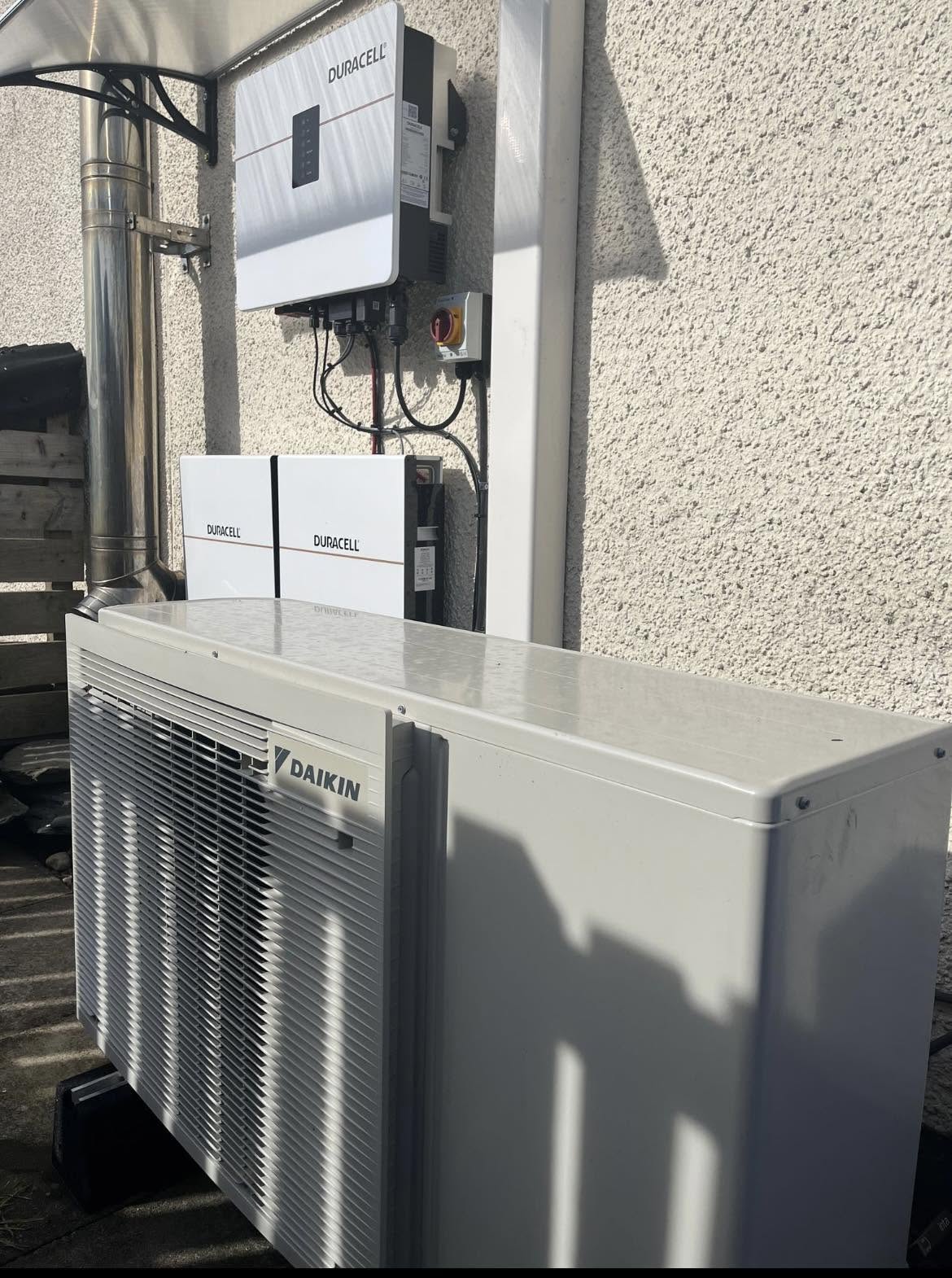
Repair requests in Renfrewshire range from complete loss of heating to new sounds from units beside compact gardens or boundaries. Tell us whether the system still heats, which mode produces the symptom and what changed beforehand. FLO needs the make, model, controller message and safe photographs of the equipment setting. Show nearby planting, screening and recent building work because the area around the installation can change. These observations do not confirm a cause remotely, but they help FLO choose between operating guidance, servicing and fault investigation while considering safety, access and neighbour impact.
Describe a sound so it can be compared
Record a short clip from a safe, consistent position and note whether the unit was heating water, warming rooms, starting or defrosting. Include outdoor weather and the distance from the recording point. Do not approach moving fans or remove a guard to make the sound clearer. In a tight Renfrewshire plot, also state whether the concern is heard indoors, at the boundary or only beside the unit. This evidence is descriptive; inspection is needed before assigning a mechanical cause.
Show what has changed around the outdoor unit
Compare current photographs with installation images if available. New fencing, stored items, overgrown shrubs, paving or drainage work may be relevant to access or airflow, but do not dismantle anything to take a photograph. A wide image helps FLO see the surroundings and ask better questions. It also prevents a repair conversation from focusing entirely on internal controls when the area around the equipment has changed since installation.
Use safe escalation for genuine hazards
A web repair form is unsuitable for smoke, burning odour, exposed wiring, flooding around electrical equipment or another immediate danger. Keep clear, follow the manufacturer’s emergency guidance where safe and contact the relevant emergency service or electricity network operator as appropriate. For non-dangerous faults, note whether isolating or resetting has already occurred and who advised it. This preserves an accurate sequence for later diagnosis and avoids repeated intervention while waiting for a response.
Local planning information
Heritage controls differ across Renfrewshire neighbourhoods
For fault help, the code and loss of heating come first; local access and equipment position then help FLO plan a realistic technical response.
Request help with a heat-pump fault in Renfrewshire
Share the exact code or symptom, what still works and when the problem began. FLO will recommend the safest and most useful next step. FLO will confirm service availability for the Renfrewshire postcode.
What this Renfrewshire service includes
- System and fault-code review
- Heating and hot-water symptom capture
- Controls and operating-history questions
- On-site diagnosis where appropriate
- Clear repair or next-step recommendation
- Advice on safe interim actions
What the survey will check locally
FLO uses calculated heat demand and emitter performance to decide what can stay and what should change. The design also covers hot-water recovery, electrical requirements and controls so the finished system is not reduced to an outdoor-unit specification.
Compact gardens require a disciplined siting discussion; larger plots can introduce unnecessarily long pipe runs if appearance is prioritised without considering efficiency and maintenance. The survey weighs those trade-offs openly.
What happens next
- 01
Capture the symptoms
Share the make, model, error code, photos if available and whether heating or hot water has been lost.
- 02
Review the fault details
FLO reviews the information and confirms the safest, most useful next step.
- 03
Diagnose the fault
The engineer checks the relevant equipment and wider system rather than relying on the error code alone.
- 04
Agree the action
The findings, repair options and any follow-on work are explained before proceeding.
Related local services
Other heat pump help in Renfrewshire
Nearby areas
FLO welcomes enquiries from Paisley, Renfrew, Johnstone, Bishopton, Bridge of Weir, Erskine and surrounding communities. The property postcode is used to confirm availability.
Answers that may help you decide
Questions people ask
Does FLO provide heat pump repairs and fault diagnosis in Renfrewshire?+
FLO accepts enquiries for heat pump repairs and fault diagnosis in Renfrewshire. Availability is confirmed using the postcode, system details and project scope.
What should I include in a Renfrewshire enquiry?+
Provide the property type, current heating, postcode and contact details. Existing system owners should also include the make, model, age and any symptoms or fault codes.
Can funding be considered with a Renfrewshire quote?+
Yes. Ask for funding guidance within the same FLO enquiry so it remains connected to the actual property and proposed system.
Will a small garden prevent installation?+
Not necessarily. The unit still needs compliant airflow, sound, drainage and service clearances, which a site assessment can test.
What information should I send?+
Include the system make and model, fault code, symptoms, when it started, and any recent changes. Photographs of the controls and equipment can also help.
Should I reset the heat pump repeatedly?+
Avoid repeated resets or opening equipment. Follow the manufacturer’s user instructions and contact the installer or a qualified engineer if the fault returns.